
Sri Lanka is a tropical paradise in the Indian Ocean, known for its rich cultural heritage, stunning landscapes, pristine beaches, and warm hospitality. With its unique blend of history, nature, and adventure, Sri Lanka offers something for every type of traveler, from history buffs to nature lovers and beach enthusiasts.
Cultural Heritage and Historical Sites
Sri Lanka is home to some of the most impressive ancient sites in South Asia, reflecting its deep cultural and religious history. The ancient cities of Anuradhapura and Polonnaruwa, both UNESCO World Heritage Sites, feature impressive ruins of ancient palaces, temples, and monasteries. The Sigiriya Rock Fortress, known as the “Lion’s Rock,” is a stunning architectural marvel with breathtaking views and ancient frescoes.
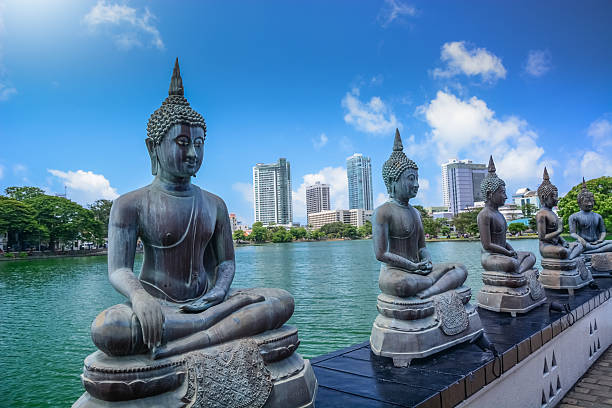
The sacred city of Kandy, home to the Temple of the Tooth Relic, is an important pilgrimage site for Buddhists and a charming place to explore with its beautiful lake and surrounding mountains. The Dambulla Cave Temple and Mihintale are also notable for their historical and spiritual significance.
Natural Beauty and Adventure
Sri Lanka is blessed with diverse natural beauty, offering plenty of opportunities for outdoor adventure and relaxation. From the golden beaches on its coastline to the lush hill country and wildlife-rich national parks, the island is a haven for nature lovers.
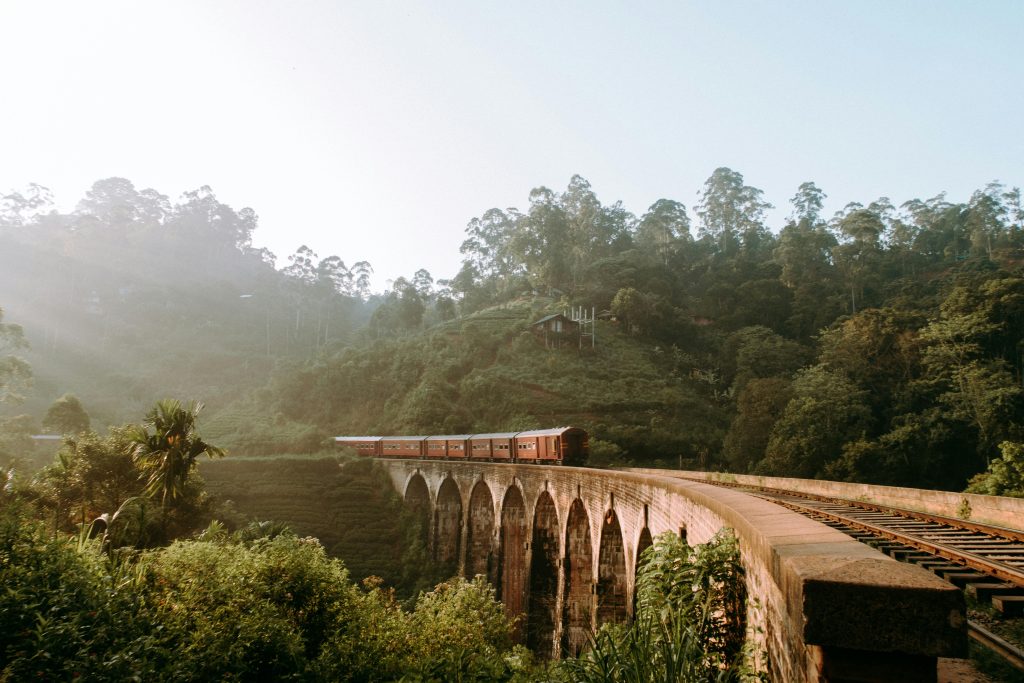
- The Hill Country is a must-see, with cool climates and stunning landscapes, including tea plantations, waterfalls, and quaint towns like Nuwara Eliya and Ella. The hike up to Adam’s Peak (Sri Pada) is a popular pilgrimage, offering sweeping views of the surrounding mountains.
- Yala National Park and Udawalawe National Park are among the best spots in Sri Lanka to see wildlife, including leopards, elephants, and a variety of bird species.
- The country’s beaches are renowned for their beauty and variety. Mirissa, Unawatuna, and Bentota are popular for their golden sands, clear waters, and opportunities for water activities like surfing, snorkeling, and diving.
Beach Resorts and Coastal Escapes
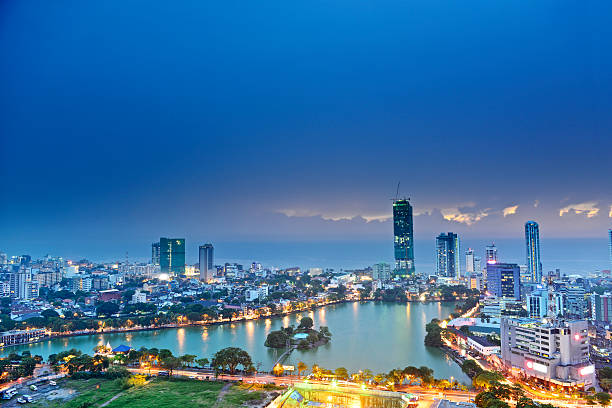
Sri Lanka’s coastline is dotted with pristine beaches that offer both tranquility and adventure. The southern coast, including Galle, is known for its colonial charm, while Negombo near Colombo is perfect for a laid-back beach holiday. For a more secluded experience, the remote beaches of Tangalle or Trincomalee provide a peaceful escape with crystal-clear waters and coral reefs.
Cuisine and Dining
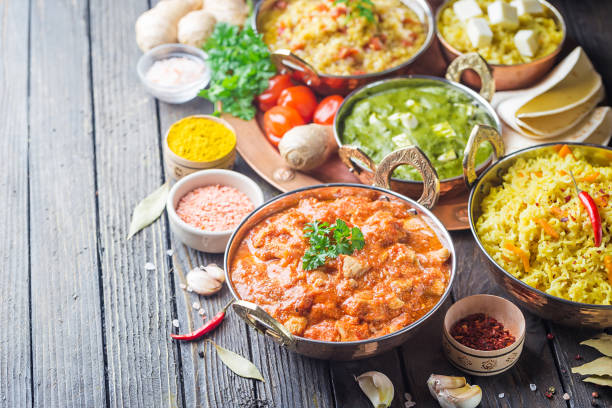
Sri Lankan cuisine is flavorful and diverse, influenced by Indian, Dutch, Portuguese, and Arab culinary traditions. Rice and curry is the staple meal, often served with an array of side dishes, including sambols, dal, and fried seafood. Don’t miss the chance to try kottu roti (a stir-fried dish with flatbread, vegetables, and meat) and hopper (a crispy pancake often eaten with curry or sweet toppings).
Sri Lanka is also known for its spices, with Cinnamon being one of the country’s key exports. Tea lovers can enjoy some of the world’s finest Ceylon tea while visiting the tea plantations in the central highlands.
Festivals and Traditions
Sri Lanka’s cultural festivals are vibrant and full of life, showcasing traditional dance, music, and elaborate rituals. The Kandy Esala Perahera, one of the largest and most famous festivals, is a grand procession with beautifully decorated elephants, dancers, and drummers. The Sinhala and Tamil New Year (April) and Vesak (celebrating Buddha’s birth, enlightenment, and death) are also widely celebrated with street festivals, fairs, and traditional ceremonies.
Practical Travel Tips
Sri Lanka is a relatively easy and affordable destination for tourists. The island has a variety of accommodations, ranging from budget guesthouses to luxury resorts. The best time to visit is generally between December and April on the west and south coasts, while the central highlands can be visited year-round, with the most comfortable weather between November and March.
Getting around the island is easy with a mix of trains, buses, tuk-tuks, and private taxis. However, for more remote areas or national parks, it’s advisable to arrange guided tours.