
Peru is a fascinating destination for travelers seeking adventure, history, and natural beauty. Located in South America, this country offers a captivating mix of ancient cultures, stunning landscapes, and vibrant cities. Whether you’re exploring Incan ruins, trekking through the Andes, or discovering the Amazon rainforest, Peru is a must-visit for those interested in history, culture, and outdoor exploration.
Iconic Landmarks and Historical Sites
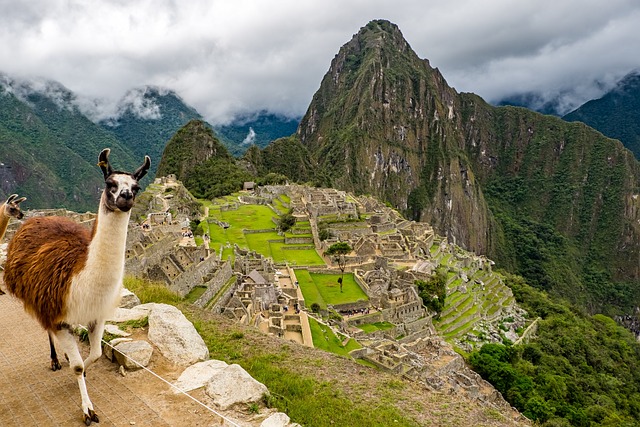
Peru is home to one of the most famous archaeological sites in the world—Machu Picchu, the ancient Inca city perched high in the Andes. The Inca Trail trek to Machu Picchu is a once-in-a-lifetime experience, offering breathtaking views of the mountains and forests along the way. For those who prefer a shorter visit, train rides from Ollantaytambo provide a scenic and comfortable journey to the site.
In addition to Machu Picchu, other important historical sites include:
- Cusco, the ancient capital of the Inca Empire, is a UNESCO World Heritage Site with beautiful colonial architecture, narrow cobblestone streets, and nearby Incan ruins like Sacsayhuamán and Qenqo.
- Sacred Valley: This lush valley is dotted with important Inca ruins like Ollantaytambo, Pisac, and Moray, and offers stunning views of the Andean mountains.
- Nazca Lines: These mysterious, ancient geoglyphs are best viewed from the air and remain one of the greatest archaeological enigmas of Peru.
Natural Wonders and Adventure
Peru is blessed with dramatic landscapes, from the high-altitude peaks of the Andes to the lush Amazon rainforest.
- The Amazon Rainforest in the Peruvian Amazon offers opportunities for wildlife spotting, jungle trekking, and boat tours along the mighty Amazon River. The city of Iquitos is a popular gateway to explore the rainforest, with eco-lodges and tours offering a deep dive into this biodiversity hotspot.
- Lake Titicaca, the world’s highest navigable lake, is located on the border between Peru and Bolivia. The lake is home to the indigenous Uros people, who live on floating reed islands, and offers opportunities for boat trips, homestays, and cultural experiences.
- The Colca Canyon, one of the deepest canyons in the world, is a great destination for hiking, and it’s also famous for spotting the majestic Andean condor soaring above the cliffs.

Cuisine
Peruvian cuisine is diverse, delicious, and increasingly recognized worldwide. Ceviche (fresh raw fish marinated in citrus juices) is one of the country’s most famous dishes. Pisco sour, a tangy cocktail made with Peruvian brandy, is the national drink.
Peru’s rich culinary heritage blends indigenous ingredients like quinoa, potatoes, and corn with influences from Spanish, African, and Asian cultures. Don’t miss trying lomo saltado (stir-fried beef with rice and fries), aji de gallina (chicken in a spicy creamy sauce), and a variety of papa a la huancaína (potatoes in a creamy cheese sauce).
Cultural Experiences and Festivals
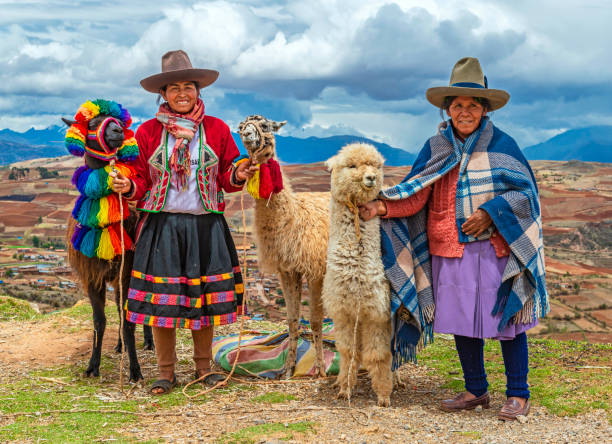
Peru’s culture is deeply influenced by its indigenous heritage, particularly the Inca civilization. Visitors can experience traditional crafts, music, and dance in places like Puno, Ayacucho, and Cusco.
Peru also has a lively festival calendar, including the famous Inti Raymi (Festival of the Sun) in Cusco, a reenactment of ancient Incan rituals that takes place in June. The Semana Santa (Holy Week) in Ayacucho and the Puno Festival are also colorful events that celebrate the country’s rich traditions.
Practical Travel Tips
Peru is a relatively affordable destination, with options ranging from budget hostels to luxury eco-lodges. The country has a well-developed tourist infrastructure, though some remote areas may require more planning.
- Best time to visit: The dry season (May to September) is ideal for trekking and exploring the highlands, including Machu Picchu and the Sacred Valley. The rainy season (December to March) can make trekking more challenging, but the rainforests are lush and green during this time.
- Altitude: Many of Peru’s top destinations, including Cusco, Machu Picchu, and Lake Titicaca, are located at high altitudes. Acclimatizing slowly and drinking plenty of water will help prevent altitude sickness.
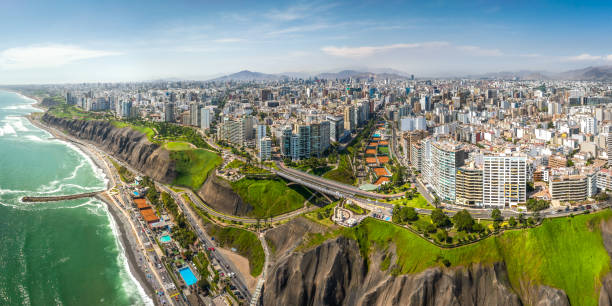
- Getting around: Peru has an extensive bus network, and flights between major cities like Lima, Cusco, and Arequipa are frequent. For reaching remote areas, trains or tours are often the best options.