
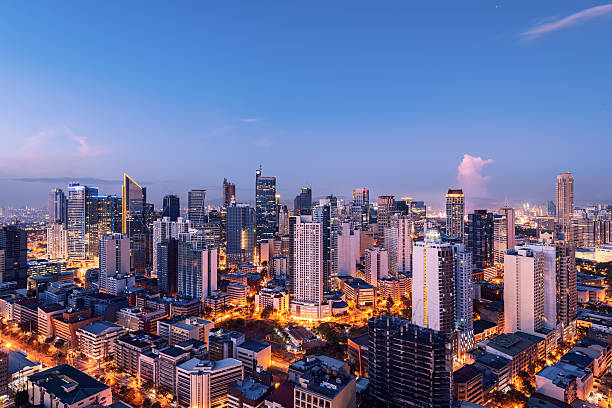
The Philippines is an archipelago of over 7,000 islands in Southeast Asia, known for its stunning beaches, vibrant culture, and warm hospitality. With crystal-clear waters, lush mountains, and bustling cities, the Philippines offers a diverse range of experiences for every kind of traveler, from adventure seekers to beach lovers and cultural enthusiasts.
Natural Beauty and Adventure
The Philippines is renowned for its breathtaking natural landscapes, making it a paradise for outdoor enthusiasts and nature lovers. The country’s islands are surrounded by white-sand beaches, blue lagoons, and coral reefs, ideal for water sports like snorkeling, diving, and kayaking.
- Palawan, often called the “last frontier,” is home to some of the most beautiful islands and beaches in the world, such as El Nido and Coron, which offer stunning limestone cliffs, crystal-clear waters, and vibrant marine life.
- Boracay, one of the most famous beach destinations in the world, is known for its powdery white sand and lively atmosphere, perfect for relaxing by the sea or enjoying water activities like kite surfing and parasailing.
- For those seeking adventure, the Chocolate Hills in Bohol and the Taal Volcano near Tagaytay offer incredible landscapes, while Mount Pulag and Mount Apo provide excellent hiking opportunities for trekkers.

Culture and Heritage
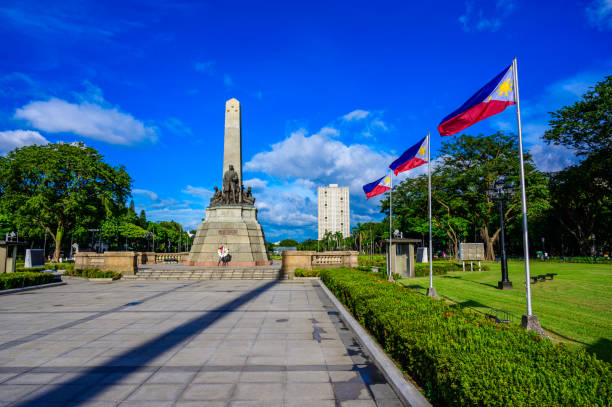
The Philippines is a melting pot of cultures, influenced by its indigenous communities, centuries of Spanish colonial rule, and American and Asian connections. This diverse history is reflected in the country’s architecture, festivals, and daily life.
- Intramuros in Manila, the historic walled city, is a must-see for anyone interested in Philippine history. It features Spanish-era architecture, including San Agustin Church and Fort Santiago.
- Cebu, one of the oldest cities in the Philippines, is famous for its historical landmarks, including Magellan’s Cross and Basilica Minore del Santo Niño, along with nearby beaches and dive spots.
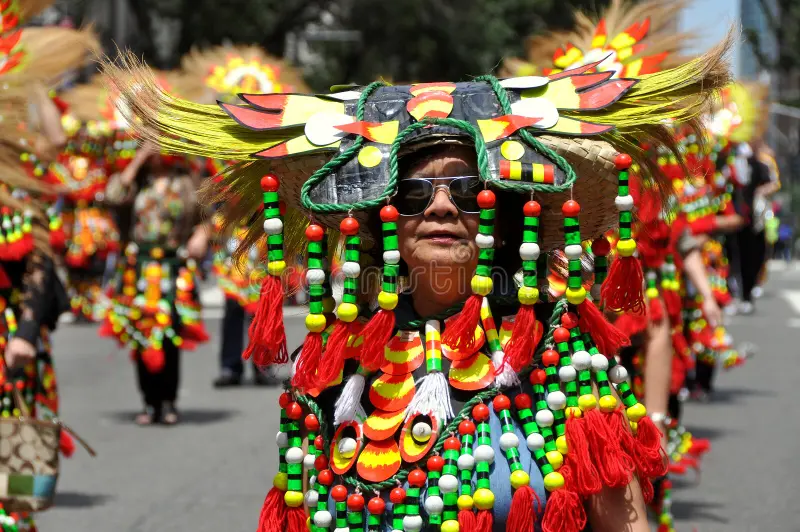
- The country celebrates many colorful festivals throughout the year, such as the Sinulog Festival in Cebu, the Ati-Atihan Festival in Kalibo, and Pahiyas Festival in Lucban, where visitors can enjoy vibrant parades, traditional dances, and lively music.
Food and Cuisine
Filipino cuisine is a mix of local, Spanish, Chinese, and American influences, resulting in a unique and flavorful culinary experience. Some must-try dishes include:
- Adobo (a savory stew made with chicken or pork, soy sauce, vinegar, garlic, and spices).
- Sinigang (a sour tamarind-based soup with vegetables and meat or seafood).
- Lechon (roast pig), often served at celebrations and feasts.
- Halo-halo, a delicious and refreshing dessert made with crushed ice, sweet beans, fruits, and leche flan.
Warm Hospitality
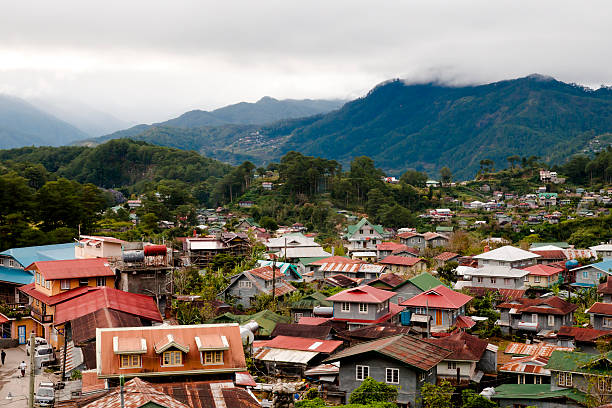
The Filipino people are known for their friendliness and hospitality. Travelers will often feel like they’re treated as family. English is widely spoken, making it easier to communicate in most areas. Whether you’re in a bustling city or a remote village, Filipinos are always ready to help and make visitors feel at home.
Practical Travel Tips
The Philippines is a popular affordable travel destination, with options to suit different budgets. Domestic flights are an easy way to get around, and ferries connect many of the islands. The best time to visit is during the dry season, which runs from December to May. However, the country experiences a tropical climate, and sudden rain showers are common year-round, particularly from June to November.
While the Philippines is generally safe for tourists, it’s always a good idea to check travel advisories and be cautious in certain areas, especially remote or less-developed regions.